


How to Winterize Your Home This November


The start of the holiday season is finally upon us, even if the temperatures are unseasonably warm right now, we have to start thinking ahead for winter! In fact, you can actually make great use of this surprisingly “warm” weather to get your tasks done more comfortably and quickly than usual. On today’s blog, we’re going to share our tips for how to winterize your home, keep things warm and dry, and cut down on your overall energy bill this season. (And let’s face it, who doesn’t want to save a few dollars in this economy!) By the time you’re done with our post, you’ll be an expert in prepping your home for winter months, saving you even more time and repairs over the years to come. Learn how to properly insulate your home, keep outdoor surfaces and furniture safe and protected, reduce risk of house fire, and more!

Inspect all entrances and exits, windows, and vents. Wash your home’s windows, clean and replace the window screens and storm window inserts. They should be washed twice a year for optimal maintenance. Swap out any screens for storm windows and clean the screen inserts to store aside. Ensuring that heat stays inside the home, and the cold air and wet weather stay out, is going to save you a significant amount on your heating bills! Inspect all doors and windows and ventilation units to verify if they need weather stripping or re-sealing. You want to make sure outer seals and framing have no gaps or leaks where air could come in or out. A good quality weather stripping, appropriate caulking, aluminum tape, or insulated foam tape will get the job done efficiently and easily. In older homes or dwellings with single-pane glass or historic windows, you can install a plastic sheeting on the inside along with thermal backed curtains to help insulate better. If you have enough time and your budget allows, on older windows, you can hire a company to reglaze the glass panes as long as temps above 50ºF the day of and a few days after. For particularly drafty windows and doors, you can purchase a “draft dodger” to seal the portion where the door meets floor or window meets sill for additional protection.

Inspect your roof and gutters thoroughly. Whether you do it yourself (carefully, please) or you hire someone for the job, it’s imperative you have a thorough inspection of your roof and the gutters. Check the roofing for missing or damaged shingles, shingle granule loss, signs of water damage and leaks, algae and moss stains, bubbling or bulging, exposed insulation, creaking or weak spots as you walk, missing caulking at the flashing, rusted flashing, debris build-up, bent or sagging gutters. Hammer down any exposed nails or replace rusted ones with new nails to secure down the roof. Give any skylights a good once-over and check for cracks, broken seals and damaged flashing. Inspect the gutters and downspouts for debris, and do a meticulous cleaning to ensure melting snow or ice and rain can move freely through to drainage. Now is also a perfect time to install gutter screens to help prevent debris from getting lodged so easily; they’re worth the investment!

Perform a full outdoor property inspection. Inspect any fencing and perform repairs on broken areas or peeled, chipping paint or warped vinyl. Have these items replaced or repaired before cold weather hits and the items warp/break further due to humidity and snow/ice cause further issue. Check the grading around your home to ensure water is running away from the home, not towards it. Do a thorough walk-around the property and keep your eyes peeled for water pooling after rainstorms; water should flow away from the foundation not towards it. Any ground around the foundation should slope away and down not up and towards. Any small spots of incorrect grading you can adjust the slope by adding topsoil or removing it to correct, but for large discrepancies you’ll want to hire a professional to assist you.

Give the yard, buildings, and outdoor furniture a thorough exterior cleaning to reduce slips and falls or weather damage by prepping with a pressure washing. Pressure washing exterior surfaces such as siding, decking, concrete and asphalt, and outdoor furniture each season is a good habit to maintain. This can help reduce growth of mold and fungus as well as removing grime and dirt build-up which can dull surfaces and cause damage if left to accumulate over the long term. Pressure washing may also reduce the presence of allergens and irritants, especially for mold and mildew which are often exacerbated by the moisture of late autumn rain and winter snow.
When pressure washing decking and fencing, a thorough pressure washing may also remove stain and paint, so you’ll want to ensure you’ve got the proper paint, stain, and weatherproof sealer to make repairs; leaving untreated wood or wood composite exposed to the elements may lead to warping, deterioration, or molding.
Pressure wash and dry your outdoor furniture before covering it with weatherproof coverings such as “Duck Covers” brand. Additionally if it’s wood, give it a thorough protective coat of stain and sealant. It can also be a great idea to weigh down the covers and lighter weight items with small weights or heavier objects to prevent wind from picking them up or moving them.

Prep all in-ground and above-ground pools before the first freeze. When the weather gets cooler and your family loses interest in swimming, closing your pool off properly for the season is crucial to prevent long-term damage. Cleaning the pool thoroughly, balancing the water chemistry with winterizing products, lowering the water level, and winterizing your equipment will save you issues when opening next season. Remove all debris, vacuum the pool, clean the filter and the skimmer and pumps, shock the pool to prevent algae and bacteria from wintering over, and purchase a well-fitted, well-sealing cover.

Perform regular chimney maintenance both inside the home and out. This is a job for a professional chimney sweep company. They’ll give your chimney a thorough inspection both from the roof and interior sides. Animals love to crawl into small, dark places, especially if they’re warm, so your chimney pro can ensure the outer portion has been properly capped to prevent that. On the interior, chimney’s can accumulate a substance called creosote which is highly flammable and the leading cause of chimney fires! They should be regularly cleaned by a professional service starting from the hearth into the chimney itself. A technician will also inspect the chimney for cracks, blockages, wear and tear, overall structural integrity, and ensure there is adequate ventilation.
If your chimney also has an assistive vent to pull air and smoke away to the outside, make sure that’s also tested for proper use; failure to properly vent a fireplace can lead to a smoky home and dangerous levels of smoke inhalation! This is also a great time to make sure you have properly charged fire extinguishers, and have them replaced or recharged if needed.

Test all carbon monoxide and smoke detectors! Locate the test button on eah device and press down for a few seconds, and if you hear an alarm sound the device is working properly. If not, consider replacing the batteries and retesting. If that doesn’t solve the issue, you’ll need to replace the detector entirely.
Make sure they’re also installed in the correct locations. Smoke Detectors should be mounted on the ceiling or no less than 12” from the ceiling on a wall, out of humid areas which can cause false alerts, and at least 3 feet away from vents. Place a smoke detector in every bedroom or sleeping area or just outside the doorway, about 10 feet away from cooking areas, in every stairwell, in the garage, and at least one on every level of the home including the basement. Carbon monoxide detectors should be placed 5 to 15 feet away from all fuel-burning appliances, and mounted slightly lower on the wall than a smoke detector; it’s a good rule of thumb to always check included directions and install according to manufacturer guidelines.

Clean out the clothes dryer and dryer exhaust at least once per year, preferably every 6 months for best safety. Go outside and check the exterior ventilation exit for the dryer vent. It should be clean and free of debris, and if not it needs to be thoroughly cleared and vacuumed. You also may want to get an additional hood to protect it from backdraft.
Inside the home, be sure to vacuumn under, and behind the dryer and keep all ducts clear of obstacles. Inside the machine, be sure to remove all lint and dust accumulated inside the lint trap with a bristle brush and thin vacuum attachment. To clear the entire vent duct pipes, detach the duct from the dryer and get a strong vacuum inside to gather loose lint and debris; if necessary, you can sweep the tubing using a special brush designed just for this. For difficult to reach places or if you’re not sure you’ve finished the job, you can always hire a professional who will do the job very efficiently and quickly. This should be done annually for maximum fire safety!

Schedule your quarterly HVAC maintenance before it gets too cold! The appropriately sized HVAC filter for the unit should be swapped monthly for optimal care, but at the very least quarterly maintenance is required. Choose the filter that best suits your home – special HEPA filters exist for those with severe allergies, and pet-specific filters target dander, allergens, and pet hair from animals in the home.
If you notice any restricted air flow or poor heating/cooling efficiency, start with an inspection of the filter, and consider hiring an HVAC technician for an additional maintenance call to service the unit as needed. Remember that wait times for service calls increase not just during the height of summer but also during winter! Staying ahead of the game will ensure less interruptions to your service and keep your energy bills lower.
Consider investing in a quality cover for exterior air conditioning units to protect it from debris, ice, and water during the season where it’s powered off.

Schedule maintenance for the home furnace system. Annual maintenance on your home furnace is vital; schedule a maintenance call before the cooler months hit to ensure consistent heating service and hot water. Likewise you’ll want to regularly drain and flush your water heater around the same time; for those with hard water, you’ll want to do this twice per year.
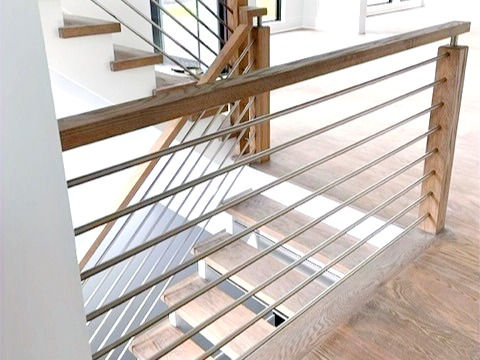
Pinto Carpentry is a fully-licensed professional carpentry company serving most regions of New Jersey. Pinto Carpentry is here to give you the wooden staircase and indoor handrails of your dreams. We have more than two decades of industry experience, and have perfected our craftsmanship oer the years. It is our promise that we do not utilize AI to plan your build, and you can count on us to deliver quality work with expert skill from build plans to execution. We are available for both new construction, existing structures, and repair work for indoor handrails and staircases. Our team of experienced carpenters would be happy to work with you on your residential or commercial project. They’ll be crafted with real human passion and utmost precision by experts in the field.
Pinto Carpentry offers free estimates with personalized consultations to match you with the perfect materials and style to suit your tastes as well as budget constraints. Our experienced adminsitrative staff will be able to guide you through the planning and estimate process to get an install scheduled quickly and efficiently. If you are seeking guidance on which railing material or stair material to choose for your project, our friendly, knowledgeable staff can help lead the way! Our portfolio showcases a wide range of interior design aesthetics and style choices, and we’re confident that we can match you with the ideal option to showcase your home.
Pinto Carpentry’s books are currently full for 2026 on new installation appointments, but we’ll be opening staircase and railing installation appointments for New Jersey homeowners in early 2027!


Comments