


Renovation Advice and Pointers from a Contractor in the Field

Updated: Sep 9, 2025
When you’re scrolling through your social media feeds, we bet you’ve noticed an influx in interior design influencers and DIY home renovations. We’re so happy to see the age of Millennial Grey and Farmhouse decor is on the way out, and that these social media stars are ushering in an era of fully personalized homes. It’s high time we disbanded the obsession with cookie-cutter homes, and embrace the things that make us happy and make our home feel, well, like home! Of course, seeing a slew of videos with unique style, fun patterns, colorful interiors, and flashy embellishments is going to give you the itch to renovate. But before you grab that sledgehammer to demo a wall HGTV style, let’s go over the basics. Take it from us, we’ve seen a thing or two as stair builders and railing installers with more than 2 decades of experience; if walls could talk, whew, the things they’d say during renovations!
Today’s blog is all about giving you some tips and tricks to best prepare yourself for a home renovation. Take a look at these talking points and things to consider before you start knocking down walls and smashing tiles. We’re cutting it down into bite-sized, easily digestible tidbits of knowledge to make your home reno journey a breeze.
Get your pencils out and ready, because we’re giving you some serious nuggets of renovation advice and pointers from a contractor in the field!

Make Sure You’ve Got An Adequate Budget!
First and foremost it’s time to talk about the b-word: budget. You’ve gathered the inspiration pics, saved all the TikToks and Reels, created beautiful boards of inspo on Pinterest, but it’s time to take a little gander at what’s practical and what’s a pipe-dream. That’s not to say that you can’t create the home of your dreams on a penny-pincher's budget, but it may require a little bit of sacrifice and adjustment. Put a pin in the shopping list from those “Like To Know” link boards, and let’s break it down.
When it comes to renovations, you need to be prepared to expect the unexpected. This is not the time to be underestimating your costs and pinching pennies. “Wait, I thought you said it’s time to talk about budget? Why are you suggesting we should spend more?” Well, hold on now, because that’s not exactly what we’re saying, but we are saying to be prepared for the inevitable! WWhen setting your project budget, it’s best that you add a little padding to the price tag. It’s far better to overestimate your costs and add at least 30% more to your estimated budget than to end up in the red for the inevitable hijinks and hiccups.
No matter how prepared for a project you are, or how much you’ve researched suppliers and materials, there’s always a “lo and behold”! From day to day fluctuations of material pricings, to unexpected discoveries behind walls, to mishaps and mistakes (we’re all only human, after all), you’ll want to be prepared for the “just-in-case”. There’s a good chance your project will go off without a hitch, but it’s better to be safe than sorry. And, as an added bonus, if there’s money left over you can splurge on some extra fun items or put it into your emergency fund.
Money isn’t the only thing you’ll be budgeting here, either. Renovations take time, a lot of time, and generally more time than anticipated. Things like weather delays, delivery delays, or even issues with permits and inspections will all factor into your total project timeline. Depending on the length or detail of your project, you’ll want to factor in a few extra days or even weeks to your timeline. Things may end up inside of or outside of that window, but having accounted for it at least a little bit will give you some relief and confidence.

Do your research and don’t cut corners, even if you think it’s budget friendly to do so.
Quality over quantity is important here – when you see the price tag of things it can be tempting to select the one with the lowest dollar to ensure your funds are preserved, but this is not the time to do that. Lower price generally means lower quality, and you really do get what you pay for. Consider why someone’s pricing may be higher than the average. Generally it means better materials, better quality work, and more experience, but don’t just take our word for it. It’s time for the internet’s favorite phrase: Do your own research!
Check reviews online; ask for references; get at least 3 quotes to compare together. While asking for word of mouth recommendations from trusted friends and family is great, you’ll still need to double check each one on your own to vet them. Make sure to thoroughly vet each contractor’s portfolio of work and experience match what’s needed for your project, and will provide a finished result that matches your desired aesthetics. When you find the right match, you can feel comfortable and confident that your project will be completed to code!
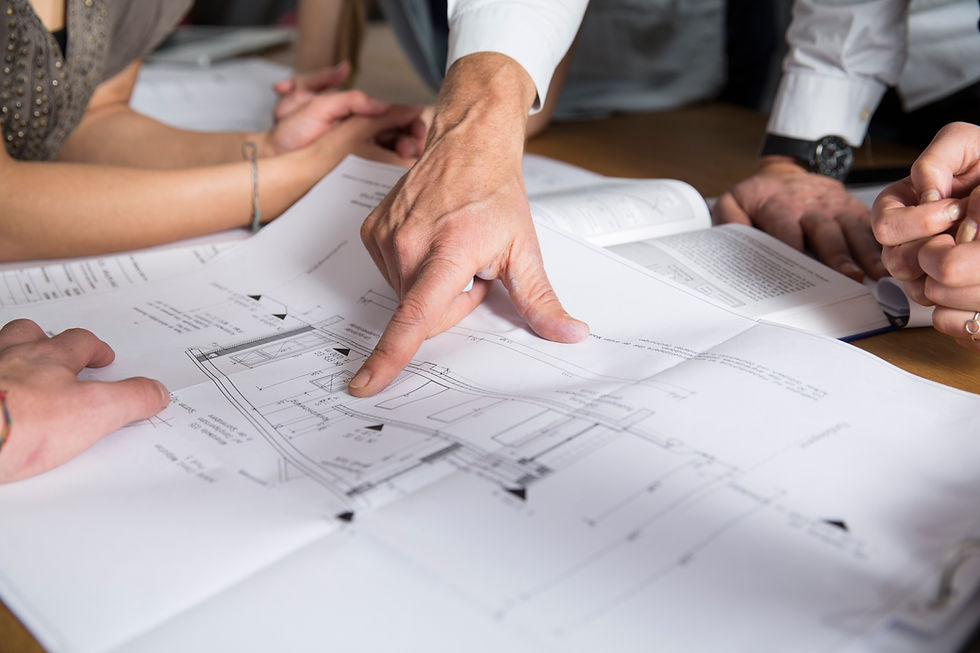
Ask lots of questions. It’s important that you make sure that you thoroughly understand the scope of the project you’re about to undertake. Most average homeowners aren’t experienced in reading blueprints and plans, so don’t be shy, ask for clarification. Many interior designers or contractors can offer guidance or additional mockups. It can also be helpful to utilize painters tape or a pencil and tape measure to draw things out on the floor or the wall to help visualize their actual placement.
Don’t make decisions on the fly! Have a plan, and stick to it.
It’s best to commit to the bit, make as many decisions as possible before you start this big house project. Of course, changes will happen along the way and things will come up that require a quick pivot in decision making, but overall you should have a very strong outline of what you want. Don’t start tearing down walls or ripping things out until you’re very sure of what you want. Make lists of suppliers and have a mood-board of materials, textures, colors, and inspiration ready to hand over to your designer and contractors. Narrowing in on your ultimate choices from the start will save you lots of time, money, and aggravation down the line.
Do not be wishy-washy and indecisive! If you are, it’s not the right time for your project. You should be limiting your choices for materials and have a definitive look before work begins. At the most, you should have 2 choices on deck in case something goes awry: the ideal option and the backup replacement. Do your best to avoid making too many adjustments or changes along the way. Changing your mind may not only cost you in materials and mental health, but your contractors may charge extra labor for redoing things and redesigning so remember that before you ask for changes mid-project.

Avoid hassles of miscommunication by keeping a clear written record of all communication.
In order for things to go smoothly, make sure there is a detailed estimate with descriptions of materials and breakdowns of labor costs and an estimated timeline. This estimate should have a projected total cost, but bear in mind again this could go up to 30% higher at minimum if things go awry. Before work begins, get a clear, concise commitment for the work that you’re requesting. Make sure everyone involved on the project has been briefed on the final intended design.
Try to make any revisions in writing by e-mail instead of by phone or text, or following up phone call requests with a confirmation email ensuring everyone is on the same page. Everyone needs to be in the loop in order to avoid costly mistakes and time. Any changes or updates requested by you, your designer, or your builder should be logged in writing so that everyone has clear expectations and a record of the amendments. This way there’s no surprises! Having things in writing is beneficial to everyone’s record keeping. Print out a copy and store it somewhere safe so there’s a physical paper trail in case you accidentally delete an email.

Understand Not Everything can by DIY-d And Sometimes You Need a Professional
As contractors and carpenters who love their jobs, we understand the exhilaration of completing a project with your own two hands. However, it’s important to be prepared for a project and understand your limits. We love an entrepreneurial spirit who takes the reigns and wants to learn something new, but some things will inevitably require a helping hand. If you’ve never attempted any sort of large renovation or decorating project, it’s best to hire someone experienced to help you sort out the details.
Rome wasn’t built in a day, but it burned in one! Don’t rush through things and make hasty decisions or power through something you’re not prepared for. That can spell doom for your renovation timeline and possibly cost you some serious pocket change along the way. Take your time with DIYs, and also don’t pressure or rush your contractors to speed things up. Mistakes happen when you’re going too quickly and don’t have time to focus!
It’s better to have things done right the first time, than paying costly fees to have a professional fix your novice errors. Understanding when something is outside your scope of experience is very wise, and will save you lots of money in the long run. A contractor’s lengthy experience and portfolio will ensure all the items are built to code for safety and durability. We promise we won’t think any less of you if you’ve realized it’s time to call in the big guns, in fact, we find that quite admirable!

Last but not least: remember to breathe. Any renovation project is going to have its ups-and-downs, but it’s best to go with the flow and not try to micromanage. Take a deep breath and go for a walk or do something soothing if you’re beginning to get frustrated with the project. This will help keep everyone calm and tensions low, and ensure the final result is the reno of your dreams! You can do this, we believe in you! Take it one day at a time, one step at a time.


Comments