


The Importance of Hiring Engineers for Home Building

In celebration of National Engineers Week, which runs from February 25th through the 21st, we’re going to dedicate today’s blog to exploring the different types of engineers in home construction. Building a new home or office can be a little bit of an overwhelming process for the average consumer, but we’re here to take some of the mystery out of it! If you’re looking to the future with an idea of building your own home, our blog post today will help guide you through the different people you’ll be working with.
Learn all about the importance of hiring engineers for home building! Explore their skills and diverse building perspectives you’ll be working with throughout the construction of a new build or renovation of your current home.

Four Engineers You'll Work With When Designing and Building A Home
Civil Engineer
This individual does not really build houses as they’re not a general contractor, but they’re an integral part of the process! You absolutely need a Civil Engineer to ensure your project is compliant with laws and regulations. Civil engineers are required to hold at minimum a Bachelor’s Degree in Civil Engineering or related work, and most also obtain a Professional Engineer License as well. These engineers plan, design, and oversee the physical infrastructure for both residential and commercial construction. They deal with routing of the utilities including sewer and water pipes, natural gas, electricity, access for sidewalks and driveways, grading of the property, drainage for stormwater and flood control, subdivision of lots, etc and ensure they’re properly installed to specifications. They create a detailed plan using CAD software and related tools. They also work closely with your local government and municipalities to ensure that the lot and project are in compliance with local limitations and guidelines. They’ll draft reports, make revisions to the plans, and work within building code and environmental regulations. They also handle permit requirements and amend for any issues that may arise along the way, instead of finishing a build and running into costly repairs due to improper installation or errors.
Mechanical Engineer
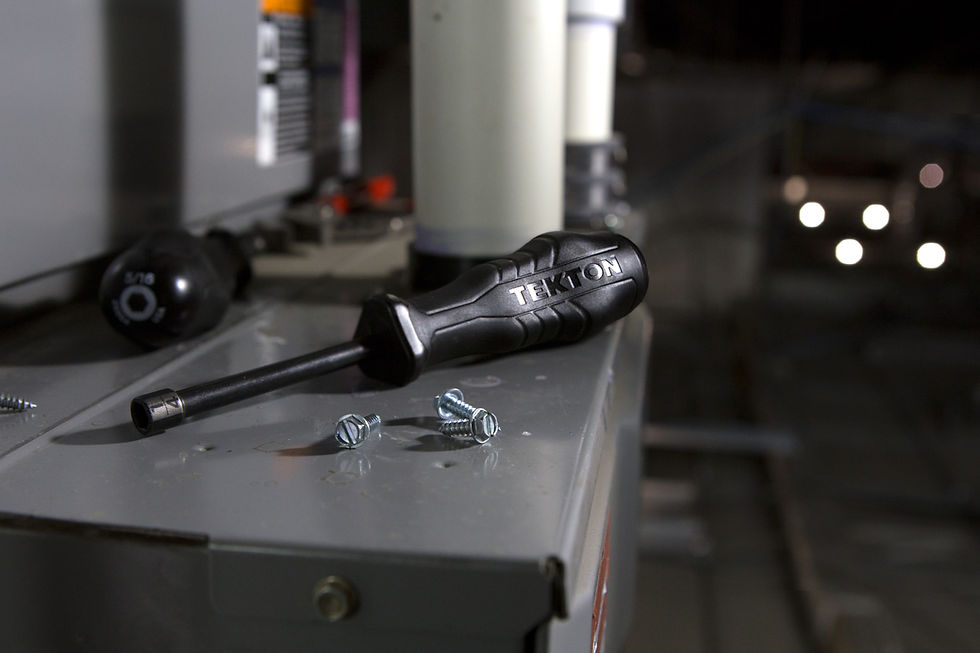
This specialty of engineering focuses on designing, installing, and testing different mechanical systems, with a primary emphasis on HVAC as relates to indoor air quality as well as plumbing systems, fire sprinklers, and more. Mechanical Engineers are required to hold a Bachelor’s degree in Mechanical Engineering or related Mechanical Engineering Technologies as well as having a Professional Engineer’s license, HVAC/Mechanical contractors license, and Home Improvement Contractor’s License. If you do not consult a mechanical engineer for your build, and things are not installedto code, you may receive a State Board of Health violation and a hefty fine! They'll ensure that the structure has proper ventilation to prevent exposure to toxic gases or pollutants. Mechanical engineers check that your home has adequate heating and cooling for comfortable living. They’ll work closely with structural engineers and architects to integrate these systems into the building plan and ensure the installs can meet inspection standards and regulations. Many mechanical engineers focus on highly energy efficient and sustainable options and ensure they meet modern environmental and safety standards.

Structural Engineer
The role of a Structural Engineer in home building is to ensure a structure can withstand daily stresses of human use as well as environmental conditions. These engineers require a Bachelor’s in Civin Engineering or Architectural Engineering, as well as a Professional Engineer and/or Structural Engineer License. Your home must be as structurally sound as it is aesthetically pleasing, of course! Without a structural engineer, it’s impossible to ensure that your building is safe for long term occupancy and safety; they’ll help you follow local building codes and select stable building materials. Structural Engineers help assess the build site by checking soil conditions for suitable foundations, evaluate all the building elements for durability and structural soundness, evaluate if the building can withstand natural disasters in the local area, and assit you in any potential building expansions at a later date. They ensure materials meet reliable function standards and not just your preferred aesthetics. A Structural Engineer will pay special attention to beams, columbs, footers, and the roof structure. For example, if you’re removing a wall in your home? They’ll be able to help you assess if it is a load bearing wall requiring a strucural support beam to replace it. These engineers can also evaluate if your roof is suitable for installing solar panels or other rooftop amenities. In some cases, Structural Engineers may be invited on site to evaluate any damaged structures to determine what has failed and why.

Sustainable Engineer
These engineers work alongside the homeowner to source eco-friendly, sustainable options for their build. They specialize in areas of renewable energy, eco-designs, cost-effective materials, and are knowledgeable in socioeconomic principles for crfeating Green Buildings and low-carbon footprint options. They work on large and small scale structures, with a heavy focus often on urban design and landscape architecture. Your sustainability engineer will help you with resource conservation by selecting high-performancematerials and reclaimed materials as often as possible, and installing water-saving adn energy-saving appliances or fixtures. This type of engineer can help reduce your dependency on fossil fuels by using alternatives like solar energy or geothermal heat pumps. They can also help you select non-toxic materials that reduce environmental impact.
Other work in home building requires a variety of specialty contractors to complete the full project: General contractors, framing, roofers, masons, HVAC techs, electricians, plumbers, insulation, drywall/plaster, flooring, painters, landscaping, window and door installers, stair and railing carpentry, cabinet makers, and finish carpenters.
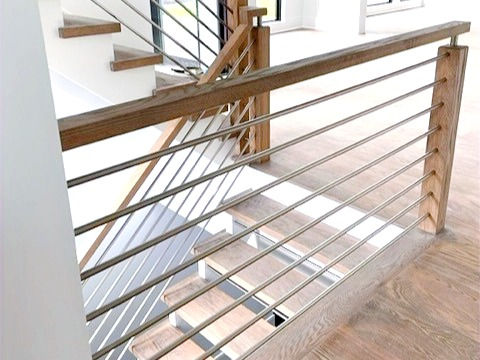
Are you working on a new commercial or residential build? Do you need an expert in stair building and railing design and installation? Look no further than the crew at Pinto Carpentry. Pinto Carpentry is happy to serve most regions of New Jersey for all of your wooden railing and wooden staircase needs. Our company is home to a highly specialized team of carpenters with more than 20 years of industry experience in crafting bespoke staircase builds and custom indoor handrails. Whether you’re looking to update your railings and stairs, repair your staircase or handrails, or you’re drafting plans for a fresh build site, we’re here to help. There’s no job too big, no job too small – Pinto Carpentry does it all! There’s a reason we’re in the top installers of handrails and stairs in the state of New Jersey. We’re passionate about what we do, and we only source top quality materials with trusted durability and reliability.
Our team will provide you with a customized estimate after proviuding you with a personalized evaluation to gather your project aesthetics and budgetary restrictions. Just reach out by email, phone, or DM on social media to begin your request! We’re currently booking into early Spring 2026 at the time of publication.


Comments